
What to Do When Your Disposable Vape Stops Working
By Ghost Pro UAE Team· Published 11 Aug 2026 · Updated 9 Oct 2026· Fact-checked by our order desk
Your Ghost Pro 3500 Puffs stopped firing and you don't know if it's dead, dry, or defective. Here's exactly how to tell the difference, fix the fixable ones in under two minutes, and know when a WhatsApp message to our team is actually worth sending.
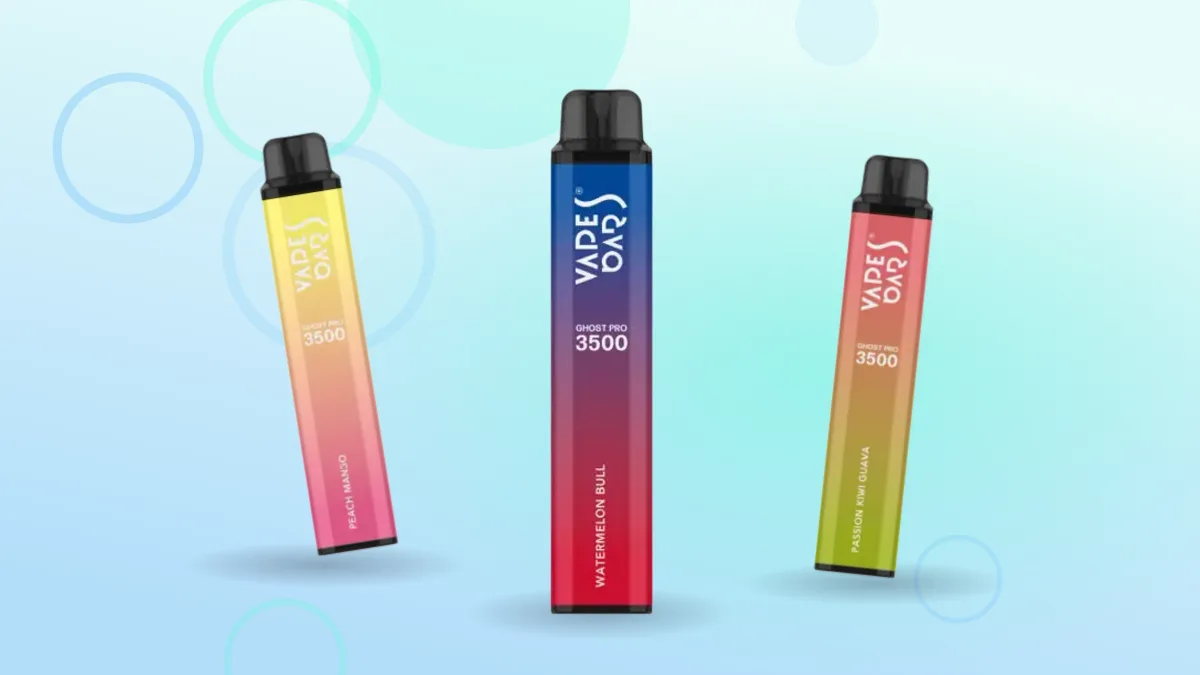
You pull your Ghost Pro 3500 Puffs out of your pocket, put it to your lips, draw — and nothing happens. No vapor, no flavour, no click of that familiar mesh coil warming up. Before you assume the device is faulty and reach for a new one, it's worth understanding what actually just happened inside it. A disposable vape is a closed system with exactly three things that have to work together every single time you draw on it: a charged battery, e-liquid to vaporise, and a clean electrical connection between the two. When any one of those three drops out, the result looks identical from the outside — silence — even though the cause is completely different each time.
This guide walks through exactly how to tell the difference between a device that has simply reached the natural end of its life, one that's misbehaving because of how it's being used, and one that's genuinely defective and worth raising with us. It also covers the step-by-step checks worth running before you write a device off, and exactly how and when to reach our team on WhatsApp at +971 56 165 2004 if something really is wrong. Most "dead" disposables aren't broken at all — they're just finished. But a small number genuinely are defective, and those deserve a proper look rather than a shrug.
How a Ghost Pro 3500 Puffs Device Actually Works
It helps to know what's inside the shell before troubleshooting it. Every Ghost Pro 3500 Puffs device is built around three core components: a 1500mAh battery, a 1.2 ohm mesh coil, and a 10ml reservoir of 20mg nicotine e-liquid. There's no button — the device is fully draw-activated, meaning an airflow sensor inside detects the moment you inhale and switches the battery on to heat the coil for exactly as long as you're pulling on it. That's the entire mechanism. There's no screen, no charging port to babysit, no settings to fiddle with. It's designed to be picked up and used immediately, and to keep working consistently until either the battery or the e-liquid runs out — whichever happens first.
The 1500mAh battery and the 10ml e-liquid capacity are matched by design so that, under normal, moderate use, both run out at roughly the same time, somewhere around the rated 3500 puffs. That number is a ceiling, not a guarantee — it's calculated on an average puff length, and real-world puff counts shift depending on how hard, how long, and how often you draw. Two people using an identical device from the same box of 10 can get noticeably different numbers of puffs out of it, and that's completely normal, not a sign that one unit was defective and the other wasn't.
Because there's no button and no light show, the device also gives you very little direct feedback about its internal state. You don't get a battery percentage or a "low juice" warning — you get vapor or you don't. That simplicity is part of what makes disposables easy to use, but it also means a bit of manual troubleshooting is genuinely useful when something changes, rather than just relying on the device to tell you what's wrong.
The 1.2 ohm mesh coil is also worth understanding on its own, because it shapes how a device behaves right up until it stops. Mesh coils heat a flat, perforated sheet of metal rather than a single wound wire, spreading current across a much wider surface area than older coil designs. In practice that means more even heating, less risk of the localised hot spots that cause a harsh, burnt-tasting hit, and — most relevantly here — flavour that tends to stay accurate and consistent from the first draw right up until the liquid genuinely runs low, rather than drifting or turning bitter halfway through. That's useful context when you're trying to judge whether a device is degrading normally near the end of its life or behaving unusually early on.
The Three Real Reasons a Disposable Vape Stops Firing
Strip away the noise and every non-firing disposable falls into one of three categories, and they are not equally common. The overwhelming majority of "my vape stopped working" situations are simply the battery or the e-liquid reaching the end of its supply — that's the expected, designed-for outcome of a device rated for a finite number of puffs. A smaller number of cases come down to a temporary connection issue, usually caused by how the device was used or handled rather than a fault in the unit itself. And a genuinely small minority are real manufacturing defects, where something was wrong with the device from the moment it left the box.
Working through these in order matters because it saves you from assuming the worst — and messaging us about a defect — when the real answer is simply that a device has done its job and it's time to open a fresh one from your box of 10. It also matters in the other direction: if you're on your third or fourth full device from the same box and every single one is failing in the same specific way from the very first puff, that pattern points toward something worth flagging rather than repeated bad luck.
The rest of this guide goes through each of these three causes individually — how to recognise it, what it feels like in the hand and on the draw, and what to do about it — before moving into the checklist that ties them all together and the exact process for getting in touch with us if a device turns out to be a genuine defect.
Cause 1: Battery Depletion
Battery depletion is the single most common reason a Ghost Pro 3500 Puffs device stops producing vapor, and it's usually the easiest to identify once you know what to look for. The 1500mAh cell inside is sized to last for the device's full rated puff count under typical use, but "typical" is doing some work in that sentence. Long, hard, frequent draws pull more current per puff than short, gentle ones, and heavy back-to-back use — especially the kind that happens during a long drive, a night out, or a stressful workday — draws the battery down faster relative to how much e-liquid actually gets consumed.
The telltale sign of a flat battery is straightforward: you draw, and you get absolutely nothing — no vapor, no warmth from the coil, no sound of airflow triggering anything — while the e-liquid reservoir still clearly has liquid sitting in it. If you gently shake or tilt the device and can feel or hear liquid moving inside, but the draw produces dead silence and zero response, that's the classic signature of a battery that has simply run out before the juice did. This happens more often than people expect, precisely because puff-per-puff battery drain and puff-per-puff liquid consumption aren't perfectly locked together — a battery calibrated for an average user can run down slightly ahead of the liquid if your draws have consistently been on the longer or harder side.
There is no charging port on these devices, deliberately — they're designed as a single-use, grab-and-go product, not a rechargeable one. Once the battery is genuinely flat, there's no way to revive it, and the correct next step is simply to move on to a fresh device rather than search for a way to charge it. If you bought a box of 10, this is exactly the situation that box is built for: one device runs down, you open the next one, and you're back to full vapor production within seconds. It's also why keeping a spare device on hand — rather than carrying only one at a time — is worth doing if you don't want a flat battery catching you at an inconvenient moment.
Cause 2: E-Liquid Depletion
The second major cause, and nearly as common as battery depletion, is simply running the 10ml of e-liquid dry. Unlike a sudden flat battery, e-liquid depletion tends to announce itself gradually rather than cutting out instantly. In the last stretch of a device's life, you'll typically notice the vapor getting thinner and less dense, the flavour becoming muted or faint compared to how vivid it tasted on day one, and occasionally a slightly drier or warmer sensation on the draw as the mesh coil starts wicking less liquid than it's built to handle. Push further and you'll get an unmistakable burnt or scorched taste — a clear sign the coil is heating with little to no liquid left to vaporise, which is your cue to stop drawing on it rather than keep pulling.
This tapering-off pattern is completely normal and is not a defect — it's simply what happens as a 10ml reservoir approaches empty. Many disposable devices, this one included, are built with at least some visibility into the liquid level, so holding the device up to a light source and checking how much liquid remains near the base is a quick, reliable way to confirm this is what's happening before you do anything else. If the reservoir looks empty or nearly empty and the flavour has been fading over your last several draws, the device has done exactly what it was built to do.
It's worth remembering that the 3500-puff rating is an "up to" figure based on an average draw length, not a hard guarantee identical for every user. Someone who takes long, deep, cigarette-style draws will pull through the 10ml of liquid faster and reach fewer total puffs than someone who takes shorter, lighter sips — both are using the device correctly, they're just landing at different points on the same puff curve. If your draw style tends toward longer and harder, don't be surprised if you're consistently landing a bit under 3500 rather than right at it; that's a function of physics and airflow, not a fault with any particular unit.
Once the e-liquid is genuinely gone, there's no way to refill or top up these devices — they're sealed, single-use units by design. The fix is the same as with a flat battery: move to your next device. If you bought individual pieces rather than a box, this is the point where it's worth thinking about switching to the box of 10 for 350 AED, which works out to roughly 35 AED per device against 40 AED buying single units — a meaningful saving once you're going through more than a couple of devices a month.
How Long Should a Single Device Actually Last?
This is one of the most common questions we hear, and the honest answer is that it depends entirely on how many puffs you're actually taking per day — the 3500-puff rating is a total budget, not a fixed number of days. As a rough guide, someone taking somewhere in the range of 150 to 250 puffs a day will typically get a device to last somewhere around two to three weeks. Push that up to 400 or more puffs a day — common during a particularly busy, stressful, or social stretch — and the same device might not make it past a week. Lighter, occasional use can stretch a single device out even further. None of these numbers are guarantees; they're a way to sanity-check whether a device dying "fast" is actually unusual for your own habits or perfectly in line with them.
This is also where keeping a rough mental note of your own pace pays off. If your last three devices from the same box of 10 each lasted about ten days and this one died in two, that's a meaningful deviation worth running through the troubleshooting checklist below. If it died in nine days, that's well within normal variation and almost certainly not worth a second thought. Knowing your own baseline is more useful than comparing notes with someone else's usage, since draw length, draw frequency, and even how often the device sits idle between sessions all shift the real-world number in either direction.
Cause 3: Connection and Coil Issues
The rarer of the three causes, but the one most worth understanding properly, is a connection or coil issue — something interfering with the electrical path between the battery and the mesh coil, or with the coil's ability to vaporise liquid cleanly. Genuine defects sit inside this category, but so do a couple of temporary, self-resolving situations that are easy to mistake for a broken device.
One legitimate and fairly common trigger in the UAE specifically is condensation. Moving a device quickly between temperature extremes — say, from an intensely air-conditioned car or mall straight into Dubai's outdoor summer heat and humidity, or the reverse — can cause brief condensation to form around the internal contacts. This can produce a weak, inconsistent, or momentarily absent draw that often clears up on its own once the device has had a minute or two to reach a stable temperature. If a device that was working fine an hour ago suddenly seems weak or unresponsive right after a big temperature swing, giving it a short rest before troubleshooting further is worth doing.
Another common and non-defect cause is a flooded coil. Chain vaping — taking draw after draw with no pause in between — doesn't give the mesh coil time to vaporise the liquid it's already absorbed before more gets pulled in, and the coil can end up oversaturated. The symptoms are a gurgling sound on the draw, a distinctly wet or muted hit, or vapor production that drops off noticeably compared to a few minutes earlier. This tends to resolve itself if you let the device sit untouched for a few minutes and then try a slower, gentler draw rather than another hard pull.
Coastal humidity deserves a specific mention too. In places like Fujairah, Ras Al Khaimah, and Umm Al Quwain, ambient moisture in the air is generally higher than in the drier inland heat of somewhere like Al Ain, and that extra humidity can make the condensation effect described above slightly more noticeable, especially for a device carried between an air-conditioned interior and a humid outdoor evening. It's still a temporary, self-resolving effect rather than a fault — the fix is the same short rest before retesting.
What's left after ruling out condensation and flooding is the genuine defect category: a coil that never made proper contact with the battery from the moment the device was assembled, internal wiring damaged during shipping or handling, or a physical knock or drop severe enough to jar something loose inside. These are the cases where no amount of waiting, shaking, or gentle draws changes the outcome, and where reaching out to us on WhatsApp actually makes sense — covered in detail further down.
A Step-by-Step Troubleshooting Checklist
Before deciding a device is faulty, it's worth running through a short, deliberate sequence of checks. This takes under two minutes and will resolve the overwhelming majority of "it's not working" situations without needing to open a new device or contact anyone.
- Take three to five slow, steady draws. A full one-to-two-second inhale gives the airflow sensor a proper signal and gives the coil enough time to respond. A quick, sharp sip sometimes doesn't register cleanly on a draw-activated device — try a longer, calmer pull before concluding nothing is happening.
- Check the e-liquid level. Hold the device up to a light and look at how much liquid remains near the base. If it looks empty or close to it and flavour has been fading over recent draws, this is simply end-of-life, not a fault.
- Do the shake-and-listen test. Gently tilt or shake the device. If you can hear or feel liquid sloshing but still get zero response on the draw, that points toward the battery rather than the liquid.
- Inspect the mouthpiece for blockage. Pocket lint, bag debris, or a small crust of dried e-liquid around the opening can restrict airflow enough to stop the sensor triggering properly. A quick visual check and a gentle wipe clears this in seconds.
- Let it rest if there's been a temperature swing. If the device just came out of a freezing car AC or straight in from outdoor heat, give it a minute or two to settle before testing again.
- Address any gurgling. If the draw sounds wet or bubbly, stop, let the device sit untouched for a few minutes, then try one slow, gentle draw rather than several rapid ones.
- Check the shell for visible damage. Cracks, dents, a crushed mouthpiece, or signs the device has been dropped or sat on point toward physical damage rather than a manufacturing fault.
- Try a different draw style. If your normal habit is short, quick puffs, try one long, even pull instead — and vice versa — to rule out a draw-technique mismatch with the airflow sensor.
If you've worked through this list and the device still produces absolutely nothing — no vapor, no flavour, no warmth — despite visible e-liquid remaining, no shake-test signs of an empty battery, no blockage, no recent temperature shock, and no visible damage, you're looking at a genuine issue worth raising with us rather than something you caused or something that will resolve on its own.
Habits That Look Like a Broken Device But Aren't
A good chunk of "my vape is broken" situations trace back to how the device is being used or carried rather than anything wrong with the unit itself. Recognising these patterns saves you the hassle of troubleshooting something that was never actually faulty.
Chain vaping — pulling draw after draw with barely a breath between them — is probably the single biggest cause of what feels like a malfunction. It floods the coil faster than it can vaporise cleanly, produces weak or gurgling hits, and can make a perfectly healthy device feel like it's failing when it just needs thirty seconds to recover. Building in a short pause between draws, especially during heavier sessions, keeps the coil working the way it's designed to.
Drawing too gently is another common one. Because these devices rely entirely on an airflow sensor rather than a manual button, a very light or hesitant sip sometimes doesn't move enough air across the sensor to trigger it reliably. If a draw feels like it "almost" worked or produced a token wisp of vapor, try a firmer, longer pull rather than assuming the sensor itself is faulty.
Heat exposure is a distinctly UAE-relevant one. Leaving a device on a car dashboard or in a glovebox during a Dubai or Abu Dhabi summer — where interior car temperatures climb dramatically within minutes — can affect both the battery's performance and the consistency of the e-liquid inside. A device that's been baking in direct sun for hours may perform noticeably worse than one that's been kept in a bag or pocket, and this isn't a manufacturing issue, it's a storage one. The same goes for carrying a device loose in a bag alongside keys and coins, which can scratch, dent, or crack the shell and mouthpiece over time.
Finally, there's the expectation gap around the 3500-puff figure itself. Because it's a rated maximum based on average draw length, someone taking consistently long, deep pulls will land on a real-world count somewhat below 3500, while someone with shorter, lighter draws might get close to or even past it. Getting fewer puffs than the number on the box isn't a sign of a short-changed or defective unit — it's a reflection of draw style interacting with a fixed 10ml liquid supply.
When It's Actually a Genuine Defect
With normal end-of-life and usage-related quirks ruled out, here's what a real defect looks like in practice — the situations genuinely worth raising with our team rather than working around yourself.
A brand-new device — one you've just opened, taken your first few proper draws from, run through the checklist above, and confirmed still has a full or near-full e-liquid reservoir visible — that produces zero vapor from the very first attempt is the clearest case. If the liquid is clearly there, the draw technique is right, there's no blockage, and nothing happens at all, that points to either the battery or the connection never having worked from the start.
Leaking straight out of the packaging is another clear one. A small amount of liquid pooling near the mouthpiece after normal use and storage can happen, but a device that arrives already wet around the seams, or that starts leaking heavily within the first few draws, indicates a seal or assembly issue rather than anything you did.
A burnt or scorched taste on the very first puff of a brand-new device — as opposed to gradually appearing after extensive use — suggests the coil had a problem from the outset rather than simply running low on liquid, since there shouldn't be meaningfully depleted liquid on puff one.
Physical assembly issues are worth flagging too: an audible rattle suggesting a loose internal component, a mouthpiece that doesn't sit correctly, or a shell with a visible crack or defect straight out of sealed packaging that wasn't caused by drops or pressure on your end.
The common thread across all of these is timing and context — a genuine defect tends to show up immediately, on a device that's otherwise been stored and used reasonably, rather than gradually appearing after weeks of chain vaping in a hot car. That distinction is exactly what our team will want to understand when you reach out.
How to Contact Ghost Pro About a Genuine Defect
If you've worked through the checklist, ruled out battery depletion, e-liquid depletion, condensation, flooding, and normal wear, and you're confident you're looking at a real defect, the right next step is a WhatsApp message to +971 56 165 2004 — the same number used for placing orders and checking stock, and the direct line to our team for exactly this kind of issue.
WhatsApp works well for this because it lets you show, not just describe. A short video of you drawing on the device with no result, or a photo of visible leaking or damage, tells the team far more in ten seconds than a paragraph of description could. Keep the message straightforward: what happened, when it happened relative to first use, and what you've already checked. Mentioning that you've already confirmed the e-liquid is still present and ruled out a flat battery, for instance, immediately tells the team this isn't a routine end-of-life question and saves everyone a round of back-and-forth.
Since every order is cash on delivery in AED with no card or online payment involved, there's no online account or order history to dig through — your order is tied to the WhatsApp conversation and delivery details from when you placed it, which is exactly why keeping that conversation and any delivery confirmation handy is useful context to have ready when you reach out.
What to Have Ready Before You Message
A little preparation before you open WhatsApp makes the conversation faster and more useful for everyone involved.
Know which flavour and which format you're dealing with — a single device at 40 AED or one from a box of 10 at 350 AED — since that shapes what the team needs to know about the specific unit. If you ordered multiple flavours in one go, being clear about exactly which one is affected avoids confusion, especially if your order included a mix from different categories, say an Ice & Menthol pick like Glacier Mint alongside something from Tropical & Fruit like Peach Mango.
Have a rough sense of when the order was placed and which emirate it was delivered to — Dubai, Sharjah, Ajman, Abu Dhabi, Al Ain, Ras Al Khaimah, Fujairah, or Umm Al Quwain — since delivery windows and order timing differ across these and it helps place your order in context quickly.
A short video or photo genuinely speeds things up. Ten seconds of you drawing on the device with visibly no vapor, or a clear photo of a crack, leak, or damage, communicates the issue instantly rather than through description alone.
Be ready to describe exactly when the issue appeared — from the very first draw on a fresh device, or only after a significant number of puffs — since that single detail is often what separates a genuine defect from normal depletion, and it's usually the first thing our team will want to understand.
Getting the Most Out of Every Device
A bit of technique goes a long way toward getting a device closer to its full rated 3500 puffs rather than falling noticeably short of it. Slow, steady draws of one to two seconds give the 1.2 ohm mesh coil time to vaporise liquid properly without flooding, and tend to produce denser vapor and more consistent flavour than short, rapid puffing. Spacing draws out — even by just a few seconds between pulls during a heavier session — lets the coil recover and re-saturate rather than working overtime, which both improves the taste of each draw and helps the device last through its full intended lifespan.
There's also a straightforward cost angle worth factoring in if you're a regular user. A single device runs 40 AED, but a box of 10 comes to 350 AED — about 35 AED per device — which adds up meaningfully if you're going through several devices a week. Buying by the box also means you're never caught with a single dead unit and no backup, and free delivery kicks in automatically once your order reaches 350 AED, which makes stocking up on a mix of flavours a genuinely practical move rather than just a bulk discount. Pairing something crisp and cold from Ice & Menthol like Watermelon Freeze with a tart pick from Berry Mix like Blue Sour Razz, or rounding out an order with something from Signature Classics like Sour Apple, is an easy way to hit that free-delivery threshold while keeping variety on hand.
Delivery itself is fast enough across the UAE that running low isn't usually a long wait — around two hours within Dubai, roughly four to six hours for Sharjah and Ajman, about six hours for Abu Dhabi and Al Ain, and six to twelve hours for Ras Al Khaimah, Fujairah, and Umm Al Quwain. Ordering your next box before your current supply actually runs out, rather than after, keeps you from ever being without a working device at all.
Storage and Handling in UAE Conditions
Where and how a device is stored between uses affects both how reliably it fires and how long it lasts, and the UAE's climate makes a couple of storage habits worth being deliberate about. Direct heat is the biggest one — a car dashboard, a windowsill in direct sun, or a glovebox during summer months can push interior temperatures high enough to affect both battery performance and e-liquid consistency. A device that's been sitting in that kind of heat for an extended period is far more likely to underperform than one kept in a bag, pocket, or drawer out of direct sunlight.
Moisture is the other consideration, particularly if you're near the coast in places like Fujairah, Ras Al Khaimah, or Umm Al Quwain, or simply spending time at the beach or by a pool anywhere in the UAE. These devices aren't built for submersion, and a dunk in water — even briefly — can compromise the internal connection permanently. Keeping a device out of pockets when swimming and away from splashes generally is a simple habit that avoids an entirely preventable failure.
Physical handling matters too. Tossing a device loose into a bag alongside keys, coins, or other hard objects is a common way mouthpieces get chipped and shells get cracked over weeks of daily carry — small compartments or a dedicated pocket go a long way. And because every order arrives cash on delivery, it's worth taking thirty seconds to visually check a box of 10 or a single device for any obvious shipping damage right when it arrives, before payment changes hands, rather than discovering an issue days later.
Reorder or Report: Making the Right Call
Bringing all of this together, the decision usually comes down to one clear question: is there still e-liquid visibly present in a device that won't fire despite a fresh battery and no signs of damage or blockage? If the reservoir looks empty or nearly empty, and flavour has been tapering off over recent draws, that's simply a device that's reached the end of its designed life — the right move is to open your next one, not to treat it as broken. If liquid is clearly present, the shake test doesn't suggest an empty battery, there's no blockage, no recent temperature shock, no flooding, and the checklist hasn't turned up an obvious cause, that's the genuine defect scenario worth a WhatsApp message to +971 56 165 2004 with a quick photo or video and the context from your order.
Across 383 verified UAE customer reviews, Ghost Pro holds a 9.9/10 rating, which reflects that genuine defects are the exception rather than the norm — most devices simply do exactly what they're built to do, from the first draw to the last. Knowing the difference between "this is finished" and "this is faulty" means less wasted time, less unnecessary back-and-forth, and a much faster path to either your next device or a resolved issue.
If you're due for a restock, the full range spans 32 flavours across six categories — Ice & Menthol, Berry Mix, Tropical & Fruit, Grape Collection, Candy & Dessert, and Signature Classics — so there's room to switch things up rather than reordering the same one every time. Orders and stock checks run through WhatsApp at +971 56 165 2004, payment is cash on delivery in AED only, and remember that as a nicotine product, purchases are restricted to buyers aged 21 and over.
Quick answers
My Ghost Pro 3500 Puffs still has visible e-liquid but produces no vapor at all — what's wrong?+
This is the classic sign of a depleted battery rather than a liquid problem. Since the 1500mAh battery and 10ml of e-liquid are matched for average use but don't always run out at exactly the same moment, the battery can occasionally run out slightly ahead of the liquid. There's no charging port on these devices, so once the battery is flat, the fix is simply to move on to your next device rather than try to revive it.
Can I recharge or refill my device once it stops working?+
No. Ghost Pro 3500 Puffs devices are single-use by design, with no charging port and a sealed, non-refillable e-liquid reservoir. Once either the battery or the 10ml of e-liquid is genuinely exhausted, the correct next step is opening a fresh device rather than attempting to charge or top it up.
Why does my device taste burnt after only a few days of use?+
A burnt taste usually means the coil is heating with little or no liquid left, which happens naturally as the 10ml reservoir nears empty — especially if your draws tend to be long and deep, which pulls through liquid faster. If the burnt taste appears on a brand-new device from the very first puff, with plenty of visible liquid still inside, that points toward a genuine defect rather than normal depletion.
My vape seemed to stop working right after I got into an air-conditioned car — is that a defect?+
Not usually. Moving quickly between temperature extremes, common in the UAE when going from strong air conditioning into outdoor heat and humidity or vice versa, can cause brief condensation around the internal contacts. This typically clears up on its own within a minute or two once the device settles at a stable temperature, and is more noticeable in coastal areas like Fujairah, Ras Al Khaimah, and Umm Al Quwain.
How do I know if my device is actually defective rather than just finished?+
A genuine defect shows up early and clearly: zero vapor from the very first draws on a brand-new device with visible e-liquid still present, heavy leaking straight out of the packaging, a burnt taste on the first puff rather than near the end of use, or a rattling or visibly damaged shell from a sealed, unopened unit. Gradual fading flavour, thinning vapor, or a battery running out with liquid still inside are normal end-of-life signs, not defects.
What should I include in a WhatsApp message about a defective device?+
Message +971 56 165 2004 with which flavour and format you had (single device or from a box of 10), roughly when you ordered and which emirate it was delivered to, exactly when the issue appeared relative to first use, and ideally a short video or photo showing the problem. This lets our team assess the situation quickly without a long back-and-forth.
Why did one device from my box of 10 last much longer than another?+
This comes down to draw style and frequency, not inconsistent quality. The 3500-puff rating is based on an average draw length, so longer, harder draws pull through the 10ml of e-liquid faster than shorter, lighter ones, and heavier back-to-back use drains the 1500mAh battery faster too. Two devices from the same box can genuinely land at different real-world puff counts under different usage patterns.
Is it normal for a device to stop working mid-draw and then work fine again shortly after?+
Yes, this is usually a flooded coil rather than a fault. Chain vaping without pauses can oversaturate the mesh coil faster than it can vaporise the liquid, producing a gurgling sound, a weak or wet hit, or a brief drop in vapor production. Letting the device rest untouched for a few minutes before trying a slower, gentler draw usually resolves it.
Related guides
Ghost Pro Blue Razz Lemon Review: Taste, Price & Where to Buy in Dubai (2026)
Ghost Pro Blue Razz Lemon reviewed — the candy-meets-citrus taste, who should reach for it, and how it sits against the rest of the blue-flavour family.
Cash on Delivery Vape Shopping: What UAE Customers Should Expect
No cards, no online checkout — just WhatsApp, confirmed pricing, and cash at the door. Here's exactly how Ghost Pro's cash-on-delivery system works across the UAE, and how to make sure your delivery goes smoothly the first time.
Strawberry Grape Vape: Sweet Berry Meets Candy Grape
How Ghost Pro Strawberry Grape tastes, why the two fruits take turns instead of blending, and who it suits.
Refillable Vape: What It Means and Why Ghost Pro Is Not One
What a refillable vape is, how it differs from a disposable and why a Ghost Pro 3500 isn't designed to be refilled.