
Why WhatsApp Ordering Works Better Than a Traditional Checkout
By Ghost Pro UAE Team· Published 16 Jul 2026· Fact-checked by our order desk
A conventional e-commerce checkout was built for warehouses with thousands of SKUs, not for someone who wants a box of disposables delivered in cash within a couple of hours. Here's why Ghost Pro 3500 Puffs runs every order through one WhatsApp number instead.
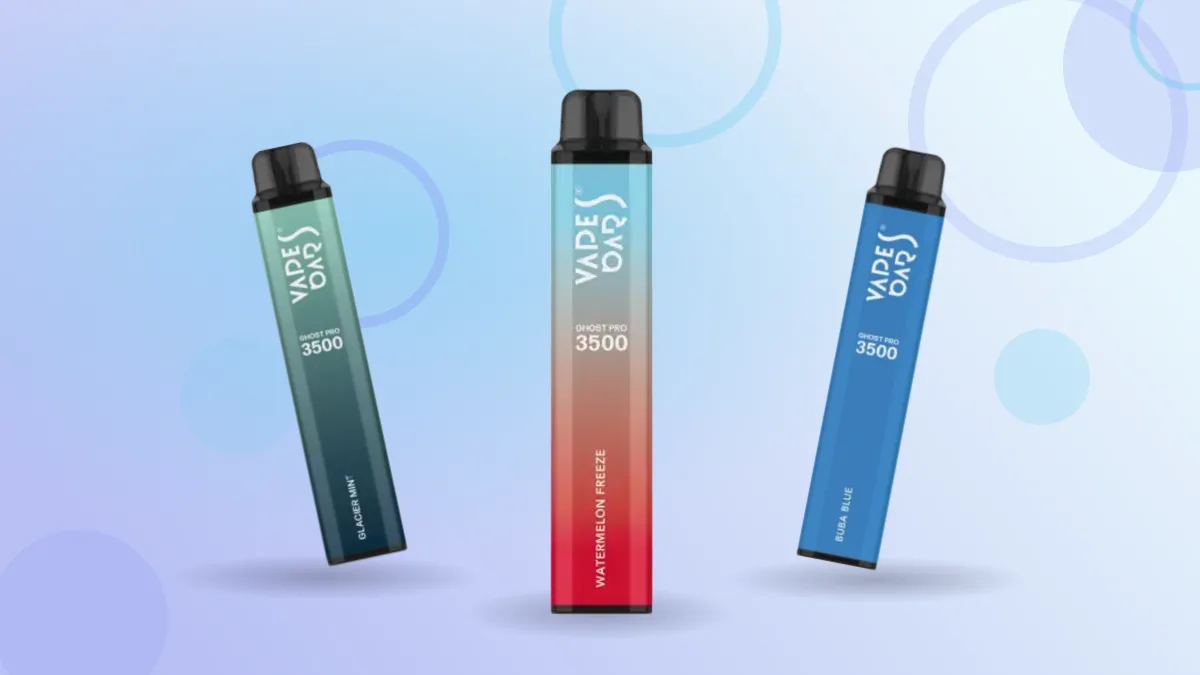
Every online store eventually asks you to do the same series of things before it will take your money: build an account, fill in a shipping form, pick a payment method, wait for a confirmation email, then wait again to find out if the item was actually in stock. It's a system built for warehouses with ten thousand SKUs and zero human bandwidth to talk to customers individually. It was never built for someone who just wants a box of disposables delivered to Al Barsha in under two hours and paid for in cash at the door.
Ghost Pro 3500 Puffs doesn't run a cart-and-checkout website. Every order — single device or full box — goes through one WhatsApp number: +971 56 165 2004. No login screen, no shipping form, no payment gateway. That's not a missing feature. It's a deliberate choice, and once you compare it line by line against a conventional checkout, it's obvious why it works better for a product like this, in a market like the UAE.
The Checkout Problem Nobody Talks About
A standard e-commerce checkout looks simple on a marketing slide and feels like a maze in practice. You add a product to a cart. You're prompted to create an account, or at minimum enter an email and set a password you'll never remember. You fill in a shipping address in a form that wasn't designed with UAE addressing in mind — no proper postal codes, building names instead of street numbers, "near the mosque" or "behind the petrol station" as legitimate, load-bearing landmarks that a rigid address-line-1/address-line-2 form has no field for. You select a payment method, get redirected to a card gateway, wait for an OTP that sometimes arrives thirty seconds too late and expires before you can paste it in, and then — finally — you get an automated confirmation email that tells you nothing about whether the flavour you actually wanted is in stock.
Look closer at that flow and the number of exit points multiplies. Some checkouts force account creation before you can even see a final price, which means abandoning a purchase halfway through an email-verification step you never intended to start. Others bolt on a mandatory phone-verification SMS that takes a full minute to arrive, or a CAPTCHA that misreads a distorted string on the first two attempts. Every one of those is a place where a real customer, holding a real phone, simply gives up and closes the tab — not because they changed their mind about the product, but because the process asked for more patience than the purchase was worth.
This isn't a UAE-specific complaint. Cart abandonment on conventional checkouts runs high across e-commerce globally, precisely because every extra field, every account prompt, every redirect is a chance for someone to close the tab and buy from whoever makes it easier. Industry-wide, the most commonly cited reasons for abandoning a cart are exactly the ones described above: an account requirement, a checkout that takes too long, and a lack of trust in handing over payment details to an unfamiliar site. For a fast-moving, repeat-purchase product like a disposable vape — something people reorder on a schedule once they find a flavour they like — that friction adds up fast, because it's not a once-a-year purchase where a slow process can be tolerated. It's a transaction that might happen every week or two, and a bad five minutes at checkout gets multiplied by every reorder that follows.
Ghost Pro's answer was to strip the entire flow down to a conversation. You message +971 56 165 2004, say what you want, and a person answers. No cart. No account. No card form. The rest of this article walks through exactly why that structure beats a traditional checkout on the points that actually matter to someone ordering a disposable vape in Dubai, Sharjah, Abu Dhabi, or anywhere else in the country.
Human Confirmation vs Silent Order Processing
The biggest structural weakness of a standard checkout is that it confirms your order before anyone has actually checked anything. You click "place order," a database decrements a stock number, and you get an automated receipt. If that stock number was wrong — a sync error between the storefront and the warehouse, a delayed inventory update, a device that sold out ten minutes earlier to someone else checking out in parallel — you don't find out until later, sometimes not until the courier calls you to say the item can't be fulfilled, or worse, not until a refund has to be processed for a payment that already went through.
Ordering through WhatsApp inverts that sequence entirely. When you message +971 56 165 2004, a real person confirms the exact flavour and quantity is actually available before anything is locked in. They confirm the price out loud, in the conversation — 40 AED for a single device, or 350 AED for a box of 10 — so there's no ambiguity about totals, no surprise line items, no "processing fee" or "service charge" that only shows up at the last screen after you've already committed mentally to a lower number. They confirm your delivery address back to you in plain language, which catches the kind of typo or unclear landmark that an automated shipping form would happily accept and then fail to deliver on, sending a driver in circles around the wrong villa cluster.
This matters more than it sounds. A silent, automated order pipeline has no way to notice that you typed the wrong building number, or that you actually meant a box of 10 rather than 10 individual single-device orders (a mistake that would be ten times the intended cost if a form processed it literally), or that the flavour you picked from a product photo isn't the one you thought it was because the packaging looks similar to another flavour in the same category. A human reading your message catches all of that in the same exchange where you placed the order, not two days later when a driver is standing at the wrong address with a box nobody there ordered.
There's a second-order benefit here too: because a person is reading the message rather than a form parser, unusual requests don't break anything. If you want to note "please call before arriving, building intercom doesn't work" or "leave with security desk if I don't answer," that instruction travels with the order as plain text a human will actually read and act on. A dropdown-and-checkbox checkout has no field for that kind of situational detail, and delivery notes typed into a generic "special instructions" box are notoriously ignored by automated fulfillment systems that only route structured data.
Building Your Own Mixed Box, Flavour by Flavour
This is where the gap between chat-based ordering and a conventional checkout is widest. Ghost Pro carries 32 flavours across six categories — Ice & Menthol, Berry Mix, Tropical & Fruit, Grape Collection, Candy & Dessert, and Signature Classics — and most people who buy a box of 10 don't actually want ten identical devices. They want a spread: a couple of cooling Ice & Menthol picks for the afternoon heat, something tart and fruity for variety, one or two Signature Classics because that's what they started on and still fall back to.
Look at what that six-category spread actually offers a customer trying to build a considered box rather than grabbing whatever's in front of them. Ice & Menthol covers six options — Banana Ice, Blackcurrant Ice, Cherry Cola Ice, Glacier Mint, Red Apple Ice, and Watermelon Freeze — which tend to get picked for the cooling throat-hit rather than pure sweetness. Berry Mix runs seven flavours, from Blue Razz Lemon and Blue Sour Razz to Blueberry Pomegranate and Strawberry Grape, generally chosen by people who want something tart with a fruit-forward finish. Tropical & Fruit is the largest category at nine flavours, spanning Peach Mango and Strawberry Kiwi through to less obvious combinations like Caribbean Crush and White Peach Razz. Grape Collection is a tight, focused pair — Grape Bull and Great Grape — for anyone who wants a single dominant note rather than a blend. Candy & Dessert, with just Candy Floss and Gummies, leans deliberately sweet rather than fruity. And Signature Classics rounds things out with six house flavours — Mr. Blue, Mr. Red, Red Angel, Pink Lady, Pink Orange Fizz, and Sour Apple — that tend to be the ones long-time customers default back to.
On a conventional e-commerce checkout, assembling a box that pulls from several of those categories properly usually means adding ten separate single-item lines to your cart and hoping the system is smart enough to apply box pricing across mismatched SKUs instead of charging you ten times the single-device rate. Plenty of checkout builds simply aren't set up for that kind of substitution logic — box pricing is often coded as a single fixed bundle SKU, not a rule that recalculates correctly across ten arbitrary product variants — so mixed boxes either aren't offered at all, or you're stuck manually tallying whether your combination still qualifies for the 350 AED box rate, second-guessing the cart total the whole way through.
Over WhatsApp, this is a two-line message. You say you want three Glacier Mint, two Blue Razz Lemon, two Peach Mango, two Sour Apple, and one Candy Floss, and the person on the other end confirms that's a full box of 10 at 350 AED, no matter how the flavours are split across categories. If Blue Razz Lemon happens to be low that day, they can tell you immediately and suggest a comparable swap — say, Watermelon Freeze from the same Ice & Menthol lineup if you wanted something cooling, or Blueberry Pomegranate from Berry Mix if you wanted to stay in a similar tart-berry lane — instead of forcing you to abandon the order and start a new cart from scratch. That kind of live substitution simply isn't something a static product grid can do; a grid can only show you what's marked available and let you pick again from scratch.
There's also a longer-term pattern worth noting: repeat customers tend to refine their mix over several orders rather than settling on one combination immediately. Someone might order their first box weighted heavily toward Tropical & Fruit, discover over a couple of weeks that they actually prefer the throat-hit of Ice & Menthol in the mornings, and adjust the next box accordingly — three Glacier Mint instead of one, dropping a Tropical pick to make room. That kind of iteration is trivial in a conversation where you can just say "same as last time but swap two Peach Mango for Cherry Cola Ice." Replicating that adjustment on a standard checkout means re-selecting every line item again from a product grid, because most storefronts don't remember a custom mixed-box configuration as a single reorderable unit.
Skipping the Account Wall
Every account you create is a password to remember, an email address that gets added to a marketing list, and a permanent record sitting on a server somewhere that you now have to think about if that server is ever breached. For a lot of everyday purchases that's a low-stakes tradeoff. For a nicotine product — restricted to buyers aged 21 and over — plenty of customers would rather not have a standing account tied to their purchase history at all, sitting alongside their name, address, and order dates indefinitely.
WhatsApp ordering is inherently stateless in the way that matters here. There's no registration step, no "create a password," no email verification link sitting unread in a spam folder, no mandatory phone-number confirmation separate from the number you're already messaging from. You message when you want to order, the conversation happens, and that's the entire relationship until your next order. There's nothing to log back into, nothing to reset a forgotten password for, no account settings page to manage, no "are you sure you want to delete your account" flow to wade through if you ever decide you'd rather not have one. If you never message the number again, there's no dangling account with your address and order history sitting in a database waiting to be forgotten about, and no marketing emails arriving months later from an account you don't remember creating.
This also removes a specific, well-documented point of failure that trips up a lot of conventional checkouts: the abandoned account. Plenty of people start creating an account on an unfamiliar site, get distracted by an email verification step, and never come back to finish the purchase — the intent to buy was real, but the account-creation detour broke the momentum. A WhatsApp message doesn't have that failure mode — you either send it or you don't, and if you do, someone answers within the same conversation, with no separate identity to verify before the actual ordering can begin.
There's a practical security angle here too. Password reuse across sites is common, and every additional account a person creates is one more place a reused password could be exposed if that particular site is ever compromised. A purchase channel that never asks for a password in the first place simply removes itself from that risk surface. And because there's no account, there's no profile page listing every past order in one browsable place for anyone who might gain access to that account later — the record of what you've bought exists only in a private chat thread you control, not in a merchant's customer database.
Cash on Delivery: Removing the Card Entry Step
Ghost Pro takes payment exclusively as cash on delivery, in AED — no cards, no online payment of any kind. That single decision removes an entire category of checkout friction. A standard card checkout means typing a full card number, an expiry date, a CVV, sometimes a billing address that has to match the bank's records exactly down to the postal code, and then waiting through a redirect to a 3D-Secure page for an OTP that may or may not arrive promptly. Any one of those steps can fail — a bank flags the transaction as suspicious because it doesn't match a usual spending pattern, the OTP SMS is delayed by a few crucial seconds, the billing address doesn't match what's on file, or the card is simply a foreign-issued one that the gateway isn't configured to accept smoothly — and the entire order dies at the last screen after you've already spent five minutes filling in everything before it.
With WhatsApp plus cash on delivery, none of that exists. You agree on the total in the chat — the device or box price, plus a 30 AED standard delivery fee if it applies — and you pay the driver in cash the moment the box is in your hands. There's no held authorization on a card that takes days to release if an order changes, no waiting for a refund to clear back to a statement if something needs correcting, and no currency-conversion surprise for anyone whose card is issued outside the UAE. Delivery is free once your order reaches 350 AED, and that threshold is easy to confirm in the same message thread before you commit, rather than discovering it buried in a shipping calculator after you've already entered your card details and gotten invested in finishing the purchase.
There's also a quieter benefit here: no card data is ever transmitted, stored, or exposed to begin with. You're not trusting a payment gateway's security, its PCI compliance, or its track record with past breaches, because there isn't one in the loop. The only exchange of value happens in person, in cash, at your door, at the exact moment you're holding the product — which also means you're never in the position of paying up front for something that never arrives, since payment and delivery happen in the same physical moment rather than being separated by days of processing and shipping. For a lot of people, that alignment of "pay when you receive" is simply a more comfortable way to transact than trusting an unfamiliar checkout with financial details in advance.
Real-Time Stock Checks Instead of Guesswork
A product page tells you what the database said was true the last time it synced. It doesn't tell you what's actually sitting on a shelf right now. Popular flavours — the kind of fast-moving picks you'll find in the Berry Mix and Tropical & Fruit categories, which together account for sixteen of the thirty-two flavours in the lineup — can move quickly enough that a static "in stock" badge is stale within hours, especially around busy periods or right after a restock when demand for a newly replenished flavour spikes.
Because a person answers every WhatsApp order, you can ask directly: "is Peach Mango available right now?" and get a real answer instead of trusting a badge that hasn't been checked since morning. That single exchange prevents the most common failure mode of automated checkouts — the order that gets accepted and paid for, only to be cancelled later because the item was actually out of stock. With cash on delivery there's no payment to refund in that scenario, but there's still a wasted wait and a re-order to arrange, and the disappointment of having mentally committed to a flavour that then doesn't show up.
This matters even more for a mixed box than for a single device, because a box order is really ten separate stock checks happening at once. If you request three Glacier Mint, two Blue Razz Lemon, two Peach Mango, two Sour Apple, and one Candy Floss, a human confirming the order can check all ten units across four different flavours in the same breath and flag the one that's running low, rather than an automated cart silently accepting a quantity that only partially exists in the back room and leaving the shortfall to be discovered at packing time. That kind of real-time, line-by-line confirmation across a mixed order is exactly the sort of thing a static inventory count on a product page was never built to do.
Speed for Repeat Customers
The first order through any new sales channel takes a bit of back-and-forth — that's true whether it's a website or a chat thread, since both require establishing what you want and confirming the basics for the first time. But the second order, and every one after that, is where WhatsApp pulls ahead permanently. A returning customer doesn't need to re-browse a catalog, re-enter a saved address, or remember a password to log back into an account. The entire order history already exists in the chat thread itself, scrollable and searchable, with no login required to see it.
"Same as last time, two boxes" is a complete order on WhatsApp. There's no equivalent shortcut on a conventional checkout unless the platform has built out a specific reorder feature — and even then, you're still clicking through a confirmation page, still re-verifying a saved card or re-entering a CVV for security, still landing on an order summary screen before it actually submits. On WhatsApp, the message you send is the order. The person on the other end already has your delivery pattern and preferences visible in the same conversation history, so confirming details takes seconds rather than a full page reload, a re-authentication, and a final "are you sure" confirmation click.
This also changes how flavour rotation works over time. A customer who's been ordering for a few months might notice their preferences shift with the season — leaning harder into the Ice & Menthol category during the hottest stretch of summer, then drifting toward Signature Classics or Candy & Dessert picks in cooler months. Because the conversation history is right there, adjusting for that shift is as simple as referencing what changed: "swap the usual two Watermelon Freeze for Pink Lady this time." A conventional storefront's reorder button, by contrast, typically just repeats the exact previous order line for line, with no easy way to make a small adjustment without rebuilding the whole cart from the product grid.
This is part of a broader shift often called chat commerce, and it's particularly well suited to the UAE market, where WhatsApp is already the default channel for everything from booking a home cleaner to confirming a doctor's appointment to arranging grocery delivery from a neighborhood shop. Ordering a box of your usual flavour mix fits naturally into a habit people already have multiple times a day, rather than asking them to open a separate app, remember a separate login, or bookmark a separate site they might not think to visit again.
Delivery Logistics, Timed to Where You Actually Are
A generic checkout page usually gives you a delivery estimate as a wide range — "3 to 5 business days" — regardless of where you actually live, because the system isn't built to reason about your specific location in the moment; it's showing you a blended average across every delivery zone the business serves. Ghost Pro's delivery windows are tighter and more specific than that, and because a human is confirming your order, you get a delivery estimate tailored to your emirate in the same message where you place the order, based on actual dispatch routing rather than a generic disclaimer.
Dubai orders typically move fastest, arriving in around 2 hours, reflecting how central Dubai is to where deliveries dispatch from. Sharjah and Ajman generally land in the 4 to 6 hour range, being a short drive further out. Abu Dhabi and Al Ain both run around 6 hours, given the greater distance from the main dispatch point. Ras Al Khaimah, Fujairah, and Umm Al Quwain — further from the main dispatch routes, on the northern and eastern edges of the country — typically fall in a 6 to 12 hour window. Standard delivery runs 30 AED, waived automatically once an order reaches 350 AED, a threshold that rewards larger, less frequent orders over small repeated ones.
None of that requires a shipping calculator or a postcode lookup, because there's no postcode system to lean on in the first place — UAE addresses run on emirate, area name, and building or villa description rather than a numeric code a shipping algorithm could parse automatically. You tell the person you're ordering with which emirate you're in, and they can tell you, in that same message, roughly when to expect the driver — a level of specificity that a generic e-commerce shipping estimate rarely bothers to offer, since most platforms would need a dedicated logistics integration to give a real-time answer instead of a blanket range. It also means that if your situation is unusual — you're near a border between two emirates, or you need delivery to a work site rather than a home address — you can just describe it and get a judgment call from a person, rather than having a rigid dropdown menu force you into the nearest matching category.
Comparing the Two Models Side by Side
Laid out point by point, the difference between the two ordering models isn't about one having more features than the other — it's about which frictions each one accepts. A conventional checkout accepts account-creation friction, payment-form friction, and stock-uncertainty friction in exchange for being able to process many orders in parallel without a person involved in each one. WhatsApp ordering accepts a ceiling on how many conversations can run at once in exchange for removing all three of those frictions and replacing them with a single human check at the point of sale: a person stating the price instead of a pricing engine, reading an address back instead of trusting a form field, checking stock at the moment you ask instead of relying on a badge that's only as current as the last sync, and taking cash at the door instead of routing card details through a third-party gateway.
What a WhatsApp Order Actually Looks Like, Step by Step
It helps to walk through the actual mechanics, because "message us on WhatsApp" undersells how quickly this moves compared to a multi-page checkout flow.
You message +971 56 165 2004 and say what you want — a single device in a specific flavour, or a mixed box of 10 split however you like across the six categories. You get a reply confirming the flavour is in stock and the total price, either 40 AED for one device or 350 AED for a box. You share your delivery address and emirate. You get a delivery window back — 2 hours if you're in Dubai, longer if you're further out toward the northern emirates. The order is placed. When the driver arrives, you pay cash and the transaction is done, with nothing left pending on either side.
That entire exchange typically takes a few minutes of back-and-forth messaging, most of it asynchronous — you can reply whenever you're free, rather than being locked into completing a checkout session before it times out and dumps your cart, which is exactly what happens on plenty of e-commerce platforms after ten or fifteen minutes of inactivity. Compare that to a standard flow: landing page, product page, add to cart, cart review, account creation or guest checkout choice, shipping form, payment form, OTP verification, order confirmation page, confirmation email, and sometimes a follow-up "verify your email" step before the account is even considered active. Each of those is a separate screen, a separate load time, a separate chance to lose the thread of what you were doing, get distracted by a phone call, and never come back to finish.
Trust Signals: A Person on the Other End, Backed by Real Ratings
Ghost Pro holds a 9.9 out of 10 rating across 383 verified UAE customer reviews — a track record built order by order, largely through the same WhatsApp channel this article is describing. That number matters here specifically because it reflects a model where every single order has passed through a real conversation with a real person, not an anonymous checkout form that never has to answer for a mistake directly.
There's an accountability built into that structure that a fully automated storefront doesn't have. When something is unclear — a flavour question, a delivery timing question, a stock question — you're talking to someone who represents the brand directly and can answer immediately, rather than filling out a contact form and waiting for a ticket queue to get to you, possibly days later, possibly from someone with no visibility into your original order. That immediacy is a large part of why a rating built on hundreds of real transactions stays consistently high: problems get caught and resolved in the same conversation where the order happens, rather than surfacing later as a complaint with no easy channel back to the seller. A customer who has a question mid-delivery — "can the driver call before arriving" or "can I switch one flavour before it's dispatched" — has someone to ask in real time, which is simply a different experience from submitting a support ticket into a queue and waiting to hear back.
Age Verification and Responsible Ordering
Nicotine products are age-restricted, and Ghost Pro 3500 Puffs is limited to buyers aged 21 and over. Nicotine products are age-restricted and regulated in the UAE generally, and anyone with specific legal questions about vaping regulations should check current official guidance rather than relying on a blog post for exact statutes.
What's worth noting for this article's specific angle is how age confirmation actually happens in each ordering model. On a typical e-commerce checkout, age verification is often a single checkbox — "I confirm I am 21 or older" — that a customer can click through without a second thought, with no real check behind it beyond the checkbox itself being ticked. On a WhatsApp order, age comes up as part of an actual conversation with a person, which tends to prompt a more genuine acknowledgment than a checkbox buried at the bottom of a form nobody reads closely before scrolling past it. It's not a technical safeguard in the sense of an ID scanner or a database check, but it reflects the broader theme of this whole piece: a human in the loop changes the quality of every step in the transaction, including this one, simply because a real conversation carries more weight than a form element that exists mainly to satisfy a legal disclaimer.
When a Traditional Checkout Still Has Its Place
It's worth being honest about where a conventional checkout genuinely wins, because the case for WhatsApp ordering is strongest when it's not oversold. If you're running a catalog of thousands of unrelated SKUs across dozens of categories — electronics, home goods, groceries, apparel — a searchable, filterable product grid with automated checkout is going to outperform a chat thread; nobody wants to message a human to browse three thousand products one by one, and a good search-and-filter interface genuinely helps a customer narrow down options faster than a conversation could. Automated checkouts also scale in a way that a person-per-conversation model can't; there's a practical ceiling on how many WhatsApp conversations a small team can run well at once, whereas a checkout page can process an unlimited number of orders in parallel with no person needed in the loop for the straightforward ones.
There's also a case for automated checkout when a business genuinely needs detailed, structured order data at scale — inventory forecasting across thousands of SKUs, automated reordering from suppliers, integration with a large accounting system — where having every transaction pass through a human conversation would actually slow down the back-office side of the business even if it sped up the customer-facing side.
But Ghost Pro isn't running a catalog of thousands of unrelated products — it's a focused lineup of 32 disposable vape flavours across six categories, sold at two fixed price points, with one payment method and a handful of delivery zones. That's a narrow enough product range that the flexibility, personal confirmation, and speed of a WhatsApp conversation outweighs anything a generic checkout page would add. The complexity that justifies an automated cart-and-checkout system elsewhere just isn't present here, and forcing that structure onto a simple, repeat-purchase product would trade away all the advantages covered above — human confirmation, live substitution, no account overhead, cash-only simplicity, real-time stock answers, and fast reordering — for very little in return.
Getting Started: How to Place Your First Order
If you haven't ordered from Ghost Pro before, the whole process starts and ends in one place: WhatsApp, +971 56 165 2004. Message the number and say what you're after — a single device in one of the 32 flavours, spanning Ice & Menthol, Berry Mix, Tropical & Fruit, Grape Collection, Candy & Dessert, or Signature Classics, or a full box of 10 mixed however you like across those categories. You'll get the price confirmed back — 40 AED for a single device, 350 AED for a box — along with confirmation that your flavours are actually in stock at that moment, not just marked available on a page that hasn't been checked recently.
Share your delivery address and which emirate you're in, and you'll get a realistic delivery window in return, whether that's roughly 2 hours in Dubai or up to 12 hours further out toward Ras Al Khaimah, Fujairah, or Umm Al Quwain. When the box arrives, pay in cash — no card needed, no online payment step anywhere in the process. Delivery is 30 AED standard, free once your order reaches 350 AED. That's the entire flow, start to finish, without a single account, cart, or payment form involved anywhere along the way — just a conversation, a confirmed price, and a box handed over for cash at your door.
Quick answers
Why does Ghost Pro only take orders through WhatsApp instead of a website with a cart?+
Because the product range is narrow and repeat-purchase — 32 flavours at two fixed price points, one payment method, a handful of delivery zones — a real person confirming each order by chat removes the friction of account creation, payment forms, and stale stock pages without needing the scale a big automated checkout is built for.
Can I mix flavours in a box of 10, and how do I order that over WhatsApp?+
Yes. Message +971 56 165 2004 and list how you want the 10 split across the 32 flavours in the six categories — for example three Glacier Mint, two Blue Razz Lemon, two Peach Mango, two Sour Apple, and one Candy Floss. It's confirmed as a full box at 350 AED regardless of how the flavours are divided, and if one is low the person on the other end can suggest a comparable swap immediately.
Do I need to create an account or pay online to order?+
No. There's no account, login, or online payment step anywhere in the process. You message +971 56 165 2004, confirm your order and address in the chat, and pay the driver in cash on delivery in AED when the box arrives.
How do I know a flavour is actually in stock before I order?+
Ask directly in the WhatsApp conversation — for example, 'is Peach Mango available right now?' A person checks and confirms in real time, rather than relying on a website badge that may not reflect what's actually on hand at that moment.
How long does delivery take, and does the fee change by order size?+
Delivery is roughly 2 hours in Dubai, 4 to 6 hours in Sharjah and Ajman, around 6 hours in Abu Dhabi and Al Ain, and 6 to 12 hours in Ras Al Khaimah, Fujairah, and Umm Al Quwain. Standard delivery is 30 AED, waived automatically once an order reaches 350 AED.
Is there an age restriction on ordering?+
Yes. Ghost Pro 3500 Puffs is a nicotine product restricted to buyers aged 21 and over. Nicotine products are age-restricted and regulated in the UAE generally, so check current official guidance for specifics beyond that.
Is reordering faster once I've bought from Ghost Pro before?+
Yes. Because your order history already exists in the WhatsApp thread, a returning customer can send something as short as 'same as last time, two boxes' and have it confirmed in seconds, without re-entering an address or re-browsing a catalog.
Related guides
Behind the Numbers: What 1500mAh, 10ml and 20mg Really Mean
1500mAh, 10ml, 20mg, 3500 puffs — the numbers on the box explained in plain language, and how they actually work together to determine battery life, flavour, and throat hit.
Are Ghost Vapes Good? What to Judge a Disposable On
Are Ghost vapes good? Here's a fair set of criteria for judging a disposable, how Ghost Pro 3500 measures up and where it falls short.
Ghost Pro Strawberry Melon Chew Review: Taste, Price & Where to Buy in Dubai (2026)
We put Ghost Pro Strawberry Melon Chew through a full review — taste, comparisons, and whether this candy-sweet flavour is worth ordering in the UAE.
Best Vape Flavours in Dubai & UAE
We ranked the 10 best vape flavours in Dubai and the UAE using real UAE reorder patterns, not guesswork — from Watermelon Freeze at the top to reliable everyday picks like Strawberry Kiwi.